LEAN manufacturing definition, and terms used in it – a brief explanation
Lean manufacturing or lean production, shortened to Lean, is the systematic elimination of waste (‘Muda’) within a manufacturing system. The Lean manufacturing definition is derived from the Toyota Production System. Lean is centered on reducing anything that does not add value. ‘Value’ is any action or process that a customer will be willing to pay for. E.g., inspection and setup are necessary in manufacturing, but do not add value because the customer is not willing to pay for them. They are therefore waste.
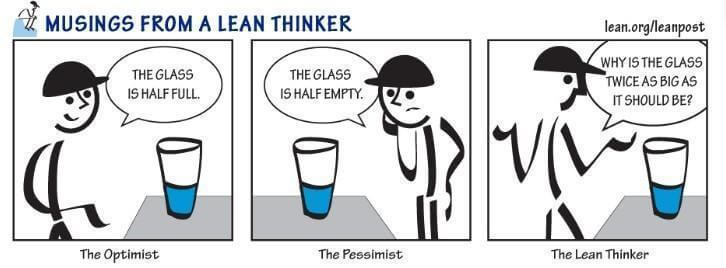
Toyota Production System (TPS) concentrates on eliminating 3 types of waste, the Japanese words for which are: Muda, Mura, Muri. Muda means waste, uselessness or idleness.
Muda Type – I : Necessary non value-added activity (e.g, Inspection, setup).
Muda Type -II : Unnecessary non value-added activity (e.g., inventory costs).
TPS lists 7 types of Muda:
1. Transport – moving products that are not actually required for a process
2. Inventory – all parts, work in process and finished parts not being processed
3. Motion – people or equipment moving or walking more than required for the process
4. Waiting – waiting for the next step in production
5. Overproduction – producing more than demand
6. Over processing – producing to higher accuracy, finish, etc. than required by customer
7. Defects – effort involved in inspecting and fixing defects
Mura means unevenness or irregularity. Mura is avoided through a Just in Time (JIT) system.
Muri means unreasonableness, or beyond one’s power. E.g., carrying heavy weights, dangerous tasks, even working significantly faster than usual. It is pushing a person or a machine beyond natural or designed limits. This generally causes variations in a process.